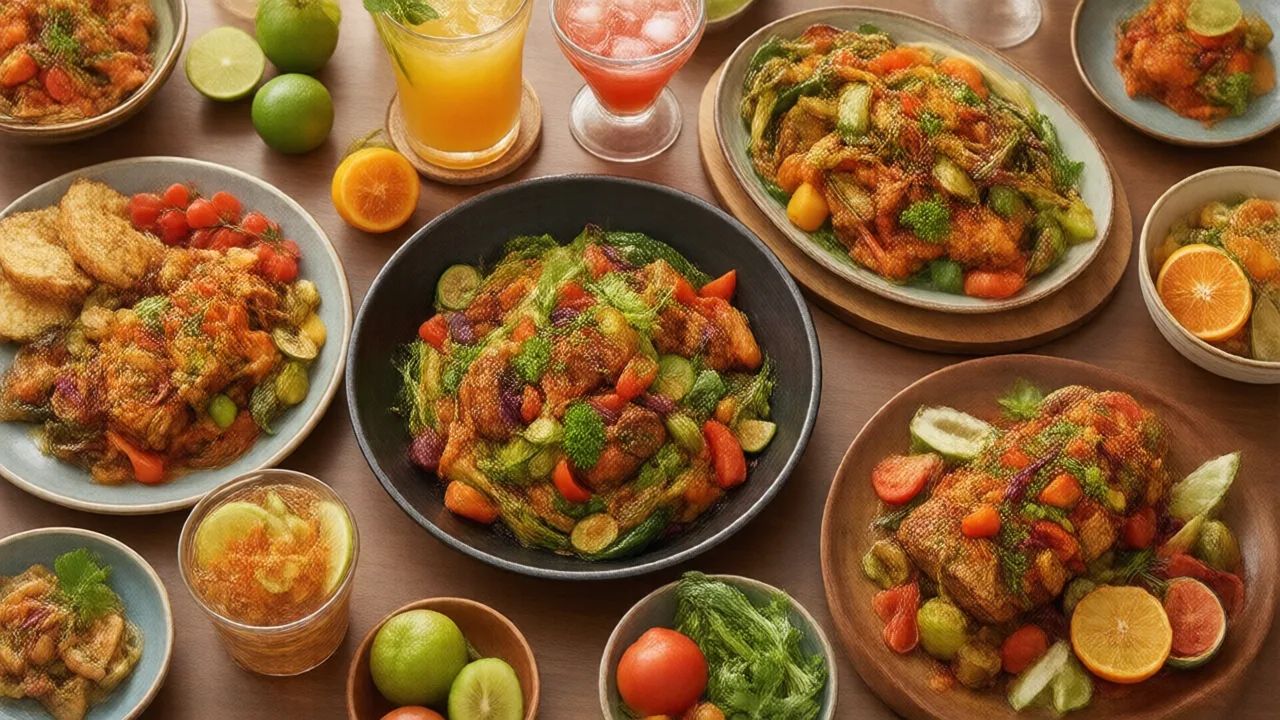
Post-Summer 2026 Menu Photo Review for Restaurants
Summer 2026 is over. If a restaurant still has June specials, patio cocktails, summer-event bundles, or limited-time menu photos sitting on its website and delivery profiles, the photo library is now sending stale signals. The next useful job is not another campaign. It is a photo audit.
Start by Retiring Expired Images
Seasonal menu photos age faster than core-menu photos. A burger hero shot can work for a year if the recipe, portion, plate, and background remain the same. A watermelon salad, frozen drink, event platter, or summer seafood special becomes confusing once the menu changes. Keep those images in an archive, but remove them from active menus, ordering pages, Google Business Profile product sections, and delivery app item cards unless the dish is still available.
The most common post-season mistake is leaving attractive but unavailable items in the visual path. Customers do not know that a photo is old. They only see a dish, expect to order it, and lose confidence when the item is missing or different. For AdSense and search quality, this also weakens trust: the page looks current, but the image evidence does not match the current restaurant experience.
Build a Current Menu Shot List
Before any reshoot, make a short list of images that matter most. Put best sellers, high-margin dishes, delivery staples, catering trays, and new fall specials at the top. Group dishes by plating style and temperature so the kitchen is not remaking the same setup all day. Cold bowls, hot entrees, beverages, desserts, and packaged delivery items each need different timing.
A useful shot list should include the dish name, menu category, required angle, crop destination, garnish notes, sauce placement, packaging version, and approval owner. For delivery-heavy restaurants, add a thumbnail check: can a customer understand the item at small size without reading the description? If the answer is no, reshoot closer or simplify the background.
Use AI Cleanup as a Final Pass
AI tools are strongest when the source photo is already honest. Use them to correct uneven exposure, remove a distracting napkin edge, balance warm indoor light, sharpen texture, or create consistent crops. Do not use them to add ingredients, increase portion size, change doneness, generate steam that was not present, or make a dish look different from what the kitchen sends out.
The post-summer audit is a good time to set a written rule: every edited image must be checked against the real plate. If the edited version makes the dish look better but less accurate, reject it. A clear but honest photo will outperform a beautiful image that creates complaints.
Check Each Publishing Channel
- Website menu: use consistent aspect ratios and avoid mixing old summer backgrounds with new fall images.
- Delivery apps: favor tighter crops, visible portion size, and clear item identity at thumbnail scale.
- Google Business Profile: keep owner-uploaded food photos current and remove outdated seasonal items where possible.
- Social media: keep campaign images separate from evergreen menu images so old promotions do not leak into current ordering paths.
- Printed or table menus: verify color and brightness on the actual printer or screen, not only on the phone used to edit.
Create a Fall Refresh Folder
After removing stale summer files, build a simple folder structure for the next season. Use one folder for approved source images, one for edited masters, and one for channel exports. File names should include the dish name, date, crop type, and version. A name like chicken-ramen-2026-08-square-v2.jpg is easier to audit than IMG_4821-final-final.jpg.
Good naming matters when a dish changes. If the garnish, plate, packaging, or portion is updated, create a new version instead of replacing the old file without context. This helps managers know which image belongs to the current menu and which one is only useful as archive evidence.
What to Measure After the Refresh
Do not judge new photos only by how they look. Track which pages or items receive traffic, whether image-heavy menu pages get clicks from search, and whether delivery items with new photos receive better engagement than items still using old photos. Even simple access-log review can show whether Googlebot is reaching the updated sitemap and which image-led guides are getting attention.
The goal is a cleaner photo system, not a one-time design project. After every seasonal campaign, restaurants should retire expired images, reshoot priority dishes, export current crops, and keep an audit trail. That is how menu photography becomes an operating habit instead of a rushed marketing task.
Use a Photo Audit Before the Next Menu Change
List the dishes that are still active, remove expired seasonal photos, reshoot priority items, and approve each edited image against the real plate before publishing.